
How to Find the Right Publisher for Your Game in 2026
At a certain point in your game’s development, building the game is no longer the only challenge.
You start facing decisions around what comes next—how the game will reach players, how it will be funded through the final stretch, and how much control you’re willing to trade to scale.
For a lot of developers, that’s when the same question comes up: do you self-publish, or do you work with a publisher?
And in 2026, that decision is harder than ever. There are more publishers in the space, all offering similar promises on paper—funding, marketing, visibility—but operating very differently in practice.
In this blog, we’ll break down how game publishers work in 2026 and how to evaluate them properly before committing.
What Is a Game Publisher?
A game publisher is a commercial partner that helps a development team take a game from a completed (or near-completed) build to market and scale its performance once it is released.
In practice, a publisher sits between development and distribution.
At a basic level, most game publishers provide a combination of the following:
- Funding: upfront advances or milestone-based payments to support development and finishing costs
- Marketing and user acquisition: trailer production, press outreach, influencer campaigns, paid ads, and store page optimization
- Distribution support: helping launch across platforms such as Steam, console stores, and sometimes mobile ecosystems
- Production support: QA testing, localization, porting assistance, and technical optimization for release readiness
- Publishing operations: managing store submissions, platform relations, pricing strategy, and launch coordination
However, the publisher label covers a wide spectrum of operating models. Some publishers are highly hands-on and effectively act as co-developers during production. Others are closer to financial partners, offering funding and marketing resources while leaving most creative and technical decisions with the studio. This difference matters because a publishing deal defines how responsibilities, risks, and revenue are distributed between both parties.
In most agreements, publishers recoup their investment first before revenue is shared. As a result, the structure of funding, recoupment terms, and revenue split directly affect when—and how much—a developer actually earns from the game.
So while the term publisher sounds straightforward, in reality, it refers to a range of business models with very different implications for control, profitability, and long-term ownership.
Why Consider a Game Publisher in 2026?
Before diving into how to find a publisher, it’s important to understand why publishers still matter in today’s game landscape.
Self-publishing is easier than it used to be. Platforms like Steam, itch.io, and the Epic Games Store have made it simple to release a game. But getting a game released and getting it seen are two very different things. With thousands of games launching every year, visibility has become the real challenge—even for well-made titles.
Funding is usually the first thing people think about. Most indie teams are working with tight budgets, especially toward the end of development when costs tend to spike. A publisher can help cover development expenses, QA testing, localization, certification, and sometimes even post-launch support.
Publishers also bring marketing expertise that most teams simply do not have in-house. Building a game is already a full-time challenge, and running marketing campaigns on top of development can quickly become overwhelming. Experienced publishers understand how to position games in the market, work with gaming media and influencers, and maximize visibility during launch windows. In 2026, where algorithms and storefront competition heavily influence success, strong marketing support is more valuable than ever.
Another major benefit is access to platform relationships. Established publishers often have direct communication channels with companies like Sony, Microsoft, and Nintendo. These relationships can help developers secure better store placement, feature opportunities, and smoother console publishing processes. For smaller teams unfamiliar with console certification and distribution, this support can save both time and resources.
Then there’s everything that sits behind the scenes. QA, localization, community management, performance tracking—these are all things that can quietly overwhelm a small team if they’re handled internally. Publishers usually centralize that work so the development team isn’t splitting attention in too many directions right before launch.
In short, publishers are no longer just companies that fund games. In 2026, the best publishers function as strategic growth partners that help studios compete in an increasingly crowded industry.
How to Find and Approach the Right Game Publisher
Finding the right publisher is rarely about luck. In today’s indie game industry, successful partnerships usually come from preparation, research, and understanding what publishers are actually looking for. Instead of sending mass pitches to every publisher you can find, developers should approach the process strategically—from identifying their game’s strengths to evaluating potential publishing partners carefully.
The following steps will help you build a stronger publishing strategy and improve your chances of finding a partner that genuinely aligns with your game and long-term goals.
Step 1: Determine If You Actually Need a Publisher
Not every game requires a publishing partner, and understanding this early can save developers from unnecessary compromises later.
Some studios thrive through self-publishing because they already have strong communities, marketing knowledge, or manageable project scopes. Smaller experimental games, niche passion projects, or titles with low production costs may not benefit significantly from giving away a percentage of revenue to a publisher.
However, the situation changes when a project becomes more ambitious. If your game requires additional funding, console releases, large-scale marketing, or multilingual localization, partnering with a publisher can dramatically increase your chances of success. Many developers underestimate how much work exists outside of actual game development. Marketing campaigns, influencer outreach, store optimization, trailer production, and community management all require dedicated time and expertise.
It’s also important to evaluate your team realistically. Ask yourself whether your studio has the capacity to handle business operations while continuing development. If the answer is no, then a publisher may provide the support structure you need.
Step 2: Define Your Game’s Unique Value
Before approaching publishers, you need to understand exactly what makes your game worth investing in.
Publishers receive hundreds of submissions every month, and many projects fail to stand out because game developers cannot clearly explain why their game is different.
Identify your game’s core appeal. Maybe your title introduces a fresh gameplay mechanic, a distinctive visual style, or a compelling narrative hook. Perhaps it targets an underserved audience or combines genres interestingly. Whatever the case may be, your uniqueness should be immediately visible within your pitch.
It also helps to position your game within the current market. Publishers want to understand where your title fits commercially. Instead of simply saying your game is “inspired by” another popular title, explain how your game differentiates itself while still appealing to an existing audience.
The goal is to make publishers instantly understand two things: why players would care about your game and why your project has commercial potential.
Step 3: Research the Right Publishers Instead of Pitching Everyone
Sending the same pitch deck to dozens of publishers may feel productive, but it often leads to poor results. The reality is that publishers specialize in different genres, audiences, and project sizes. Hence, a targeted and thoughtful outreach strategy is far more effective than mass emailing random publishers.
Start by identifying publishers that have successfully released games similar to yours. Look closely at their portfolio, branding, marketing style, and audience. If your game naturally fits alongside their existing catalog, your chances of receiving serious consideration improve significantly.
It’s also important to study how publishers treat their partnered studios. Some publishers are highly collaborative and developer-friendly, while others may be more controlling regarding timelines, monetization, or creative direction. Reading interviews, conference talks, and developer testimonials can provide valuable insight into what working with a publisher is actually like.
Another factor to consider is scale. Larger publishers may offer bigger budgets and broader exposure, but they also tend to be more selective. Smaller boutique publishers, on the other hand, may provide more personal support and flexibility. Neither option is automatically better; the right fit depends on your project goals and studio priorities.
Step 4: Prepare a Professional Pitch Package
Your pitch package is often the first impression publishers will have of your game, so presentation matters just as much as the idea itself.
At minimum, your pitch should clearly communicate what your game is, who it is for, and why it deserves attention. Many developers make the mistake of overexplaining mechanics while failing to communicate the emotional or commercial appeal of the experience.
Since publishers often review submissions quickly, a strong pitch usually begins with a concise game overview. Quickly explain the genre, gameplay loop, and unique selling points without overwhelming the reader with unnecessary detail.
Gameplay footage is also important. In 2026, publishers expect to see actual gameplay rather than concept art or cinematic teasers. A short, polished trailer that immediately demonstrates the game’s core experience can dramatically improve your chances of getting noticed.
Whenever possible, include a playable demo. Even a short vertical slice can help publishers understand the quality and potential of your game far better than screenshots alone. A polished demo also signals professionalism and development capability.
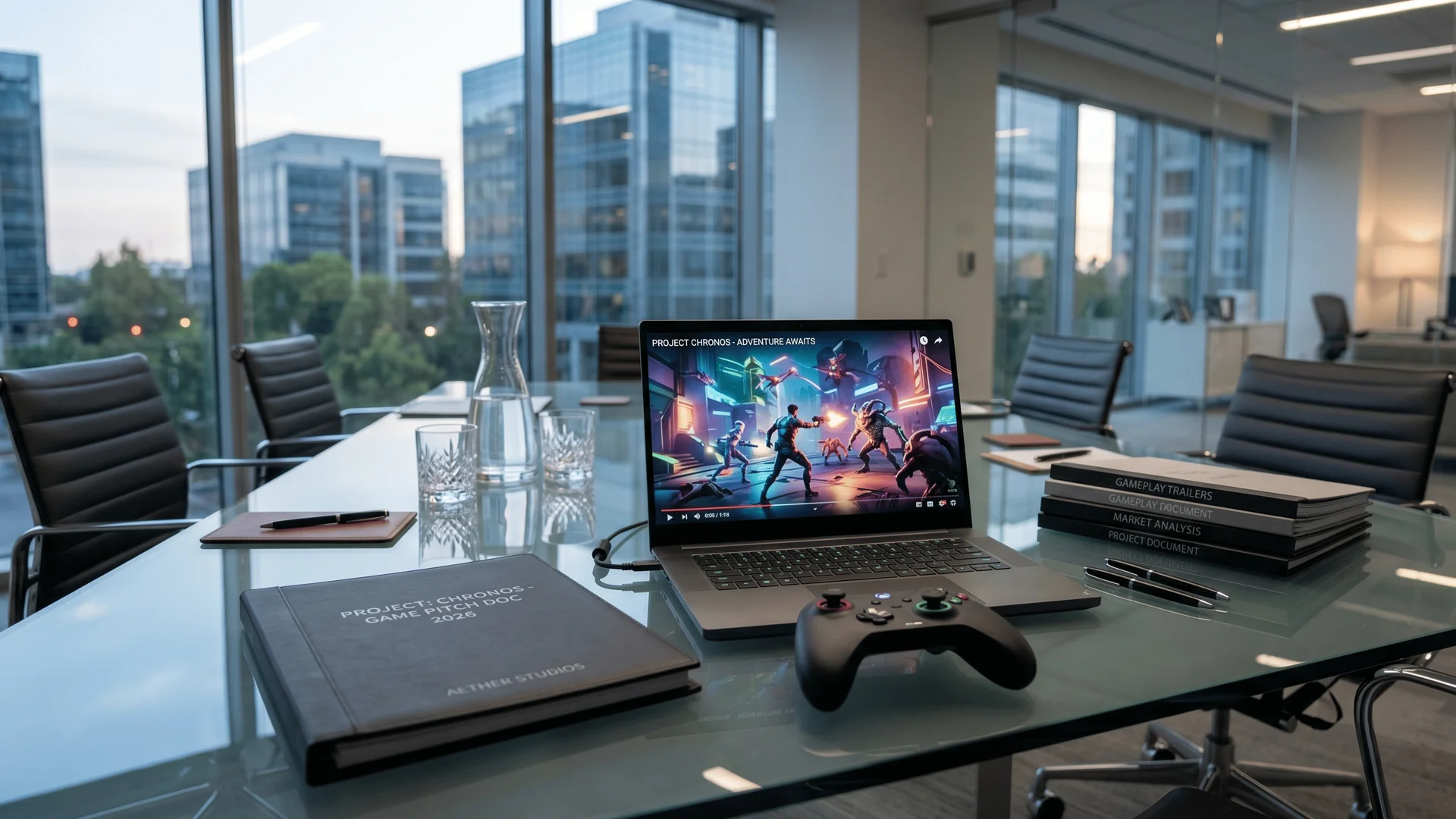
Beyond the game itself, your pitch should include practical business information. Publishers want to know your development timeline, funding needs, target platforms, and release plans. They are evaluating not only your game, but also your ability to execute the project successfully.
Lastly, introduce your team properly. Even small studios should highlight relevant experience, completed projects, or specialized skills. Publishers invest in people as much as products.
Step 5: Network Strategically Within the Industry
While cold outreach can still work, networking remains one of the most effective ways to connect with publishers. In fact, a short in-person conversation can sometimes achieve more than weeks of email outreach.
Industry events such as GDC, Gamescom, and Tokyo Game Show continue to be valuable opportunities for game developers. These events often host publisher matchmaking sessions where developers can present their games directly to decision-makers.
Online networking has also become increasingly important. Many publishers actively monitor platforms like LinkedIn, X/Twitter, Discord communities, and game development forums to discover promising projects. Developers who consistently share progress updates, development insights, and gameplay clips often build visibility long before formally pitching their games.
Step 6: Understand What Publishers Are Actually Looking For
Many game developers assume publishers are only searching for innovative ideas, but the reality is more nuanced.
Publishers are evaluating both creative potential and business viability. They want to know whether your game can attract an audience, generate revenue, and successfully launch within a realistic timeline.
Visual presentation is often one of the first things publishers notice. Games with a strong visual identity tend to stand out more quickly because they are easier to market through trailers, screenshots, and social media content.
Publishers also pay close attention to execution quality. Even a great concept can be difficult to fund if the gameplay feels unpolished or technically unstable. This is why having a strong demo or prototype matters so much during the pitching process.
Beyond the game itself, publishers assess the reliability of the development team. Can the team realistically complete the project? Do they communicate clearly? Are timelines and budgets reasonable? These operational factors often influence decisions just as much as the game concept.
In 2026, audience metrics are becoming increasingly important as well. Publishers frequently look at Steam wishlists, community engagement, demo downloads, and social media traction when evaluating projects. A game that already shows market interest is significantly less risky from a publishing perspective.
Step 7: Evaluate Publishing Deals Carefully
Receiving a publishing offer can feel exciting, especially for smaller teams, but it’s important to approach negotiations carefully.
Not all publishing deals are equally beneficial, and some agreements can create long-term problems if developers fail to review the terms properly.
Revenue sharing is one of the most important aspects of any publishing contract. The percentage split often depends on how much funding and support the publisher is providing. However, developers should fully understand how recoupment works before signing anything. In some deals, publishers recover their investment before revenue is shared, which can significantly impact earnings.
Intellectual property ownership is another critical issue. Many modern publishers allow developers to retain IP ownership, but this is not always guaranteed. Giving up ownership of your game or franchise can limit future opportunities, sequels, or merchandising rights.
You should also examine what the publisher is actually committing to. Some publishers promise marketing support without specifying concrete deliverables. A strong agreement should clearly define responsibilities, timelines, promotional efforts, and financial obligations. Whenever possible, consult a lawyer or experienced industry professional before signing a contract. Even seemingly minor details can have major consequences later.
Step 8: Watch Out for Red Flags
Unfortunately, not every publisher operates transparently or ethically.
Some publishers aggressively pursue developers despite lacking the resources or experience to properly support a game launch. Others may overpromise marketing exposure or push for excessive creative control.
One major red flag is a lack of transparency. If a publisher avoids discussing financial structures, marketing plans, or contractual details clearly, developers should proceed cautiously. Reliable publishers are usually willing to explain their processes openly.
Another warning sign is pressure tactics. Developers should never feel rushed into signing agreements immediately. Legitimate publishers understand that contracts require careful review. It’s also important to research a publisher’s track record thoroughly. Look at how previous partnered games performed and whether other developers have shared positive experiences publicly. If multiple studios report communication issues, unpaid obligations, or a lack of support, take those concerns seriously.
Step 9: Build Visibility Before You Start Pitching
In today’s market, publishers are far more interested in games that already demonstrate audience interest.
Launching a Steam page, posting regular development updates, participating in online festivals, and releasing demos can all help generate traction before publisher conversations even begin.
A growing community signals market validation. When publishers see strong wishlist numbers, active social media engagement, or positive demo feedback, they gain confidence that players are genuinely interested in the project.

Building visibility early also gives developers more leverage during negotiations. Studios with proven audience traction are often in a stronger position to negotiate better revenue splits, retain IP ownership, or secure improved marketing commitments.
In many cases, publishers are now discovering games organically through social media virality or Steam performance rather than waiting for direct submissions.
Step 10: Be Willing to Walk Away
For many developers, the excitement of receiving interest from a publisher can create pressure to accept the first available deal. However, a poor partnership can lead to creative conflicts, financial frustrations, and long-term limitations.
The best publishing relationships are built on shared goals and mutual trust. A publisher should genuinely understand your game, respect your creative vision, and provide meaningful support that improves your project’s chances of success.
If a deal feels overly restrictive or misaligned with your goals, it may be better to continue independently or wait for a more suitable opportunity. The market in 2026 offers more publishing options than ever before, and developers are no longer forced to accept unfavorable terms out of desperation.
Patience and careful decision-making can ultimately lead to stronger long-term outcomes for both your game and your studio.
Final Thoughts
Finding the right publisher for your game is no longer just about securing funding. In 2026, publishers serve as strategic partners that can influence marketing success, platform access, global reach, and long-term studio growth.
The key is approaching the process thoughtfully. Developers who clearly understand their game’s value, research publishers carefully, build visibility early, and negotiate strategically are far more likely to secure beneficial partnerships.
At the same time, it’s important to remember that not every game needs a publisher. The right decision depends on your project scope, business goals, and internal capabilities.
Whether you choose to self-publish or pursue external support, success ultimately comes from preparation, professionalism, and understanding the realities of today’s game market.
For teams that do decide to explore publishing support, working with a partner like Game Troopers can simply mean having someone help navigate that process more clearly, especially when it comes to structure, timing, and aligning expectations early on.